
Understanding Form 990: Why Filing Matters for Nonprofit Organizations
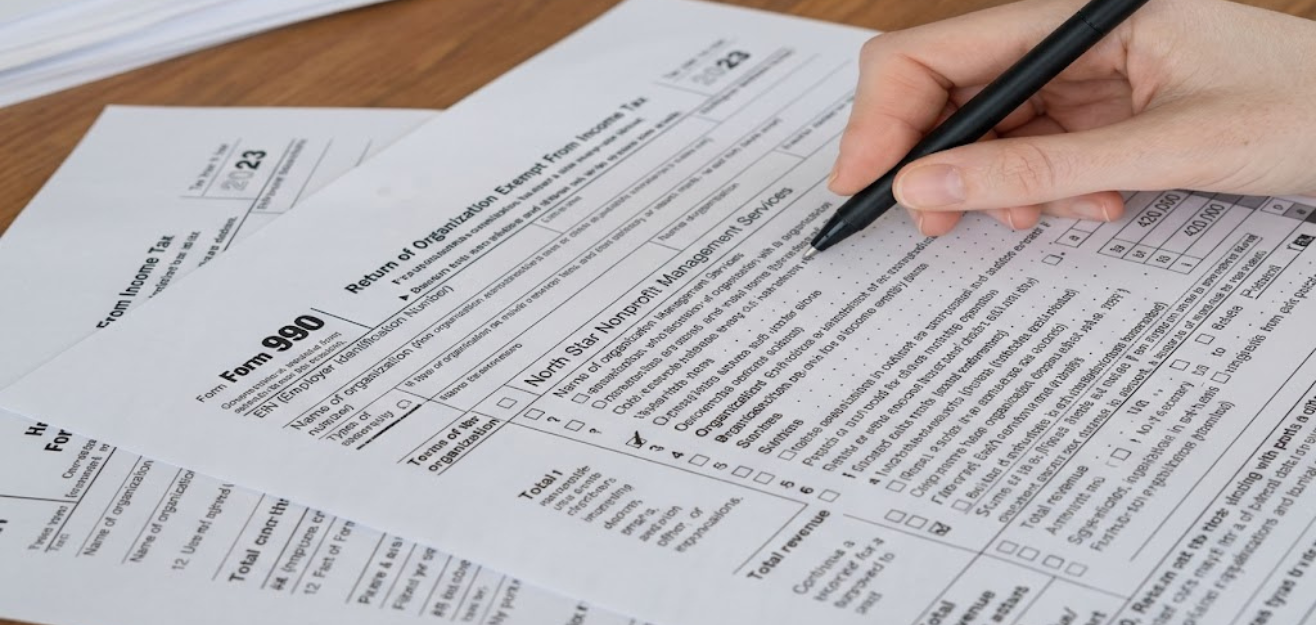
Nonprofit organizations play an important role in supporting communities, advancing causes, and providing public benefit services. To maintain transparency and remain in good standing with the Internal Revenue Service (IRS), most tax-exempt organizations are required to file an annual information return known as Form 990.
Understanding what Form 990 is, why it matters, and the consequences of failing to file can help nonprofit leaders stay compliant and protect their organization’s tax-exempt status.
What Is Form 990?
Form 990 is an annual reporting document filed with the IRS by tax-exempt organizations. It provides information about a nonprofit’s mission, programs, finances, governance, and operations.
The IRS uses this form to ensure that nonprofits continue to meet the requirements for tax-exempt status. At the same time, Form 990 also serves as a public transparency document that donors, grantmakers, and the public can review.
Depending on the size and type of organization, nonprofits may file different versions, including:
- Form 990
- Form 990-EZ
- Form 990-N (e-Postcard)
- Form 990-PF for private foundations
Why Is Filing Form 990 Important?
Maintaining Tax-Exempt Status
One of the most important reasons to file Form 990 is to maintain federal tax-exempt status. Nonprofits that fail to file required returns for three consecutive years automatically lose their tax-exempt status under IRS regulations.
Reinstating tax-exempt status can be time-consuming and may involve additional fees and administrative work.
Promoting Transparency and Accountability
Form 990 helps demonstrate that an organization is operating responsibly and using its resources appropriately. Because the filing is publicly accessible, it allows donors, supporters, and regulators to better understand how the organization functions.
Transparency can help build trust with stakeholders and encourage continued community support.
Supporting Grant and Funding Applications
Many grantmakers, foundations, and corporate sponsors review Form 990 filings before awarding funding. An up-to-date filing history can help demonstrate financial responsibility and organizational stability.
Missing or late filings may raise concerns during funding evaluations.
Avoiding IRS Penalties
Organizations that fail to file on time may face financial penalties depending on the size of the nonprofit and the length of the delay. Even smaller organizations that file the 990-N must still submit the required annual notice to remain compliant.
Staying ahead of deadlines helps organizations avoid unnecessary compliance issues.
When Is Form 990 Due?
For most nonprofits, Form 990 is due on the 15th day of the 5th month after the end of the organization’s fiscal year.
For organizations operating on a calendar year, the filing deadline is typically May 15.
If additional time is needed, nonprofits may request an extension by filing the appropriate IRS extension form before the deadline.
Common Mistakes Nonprofits Should Avoid
Nonprofit organizations sometimes encounter filing problems due to:
- Missing filing deadlines
- Reporting incomplete financial information
- Filing the wrong version of Form 990
- Failing to maintain accurate records throughout the year
- Assuming small organizations are exempt from filing requirements
Maintaining organized financial and governance records throughout the year can make the filing process easier and more accurate.
Conclusion
Form 990 is more than just an annual filing requirement. It serves as an important tool for accountability, transparency, and maintaining public trust.
By understanding filing obligations and meeting IRS deadlines, nonprofit organizations can protect their tax-exempt status, strengthen credibility, and continue focusing on their mission and community impact.